
Vape detection often starts with a familiar concern: a restroom smells sweet, a hotel guest reports smoke, or an office team keeps finding signs of vaping in a shared area. Sensors can help, but the best programs begin with a wider question: what does the facility need to learn about its air, its spaces, and the way people use them?
The word detection can make the job sound narrow. In practice, a sound program links facilities, operations, safety, people teams, and policy. A device that notices a change in the air is only one part of the work. The alert must reach the right person, make sense in context, and lead to a response that people can trust.
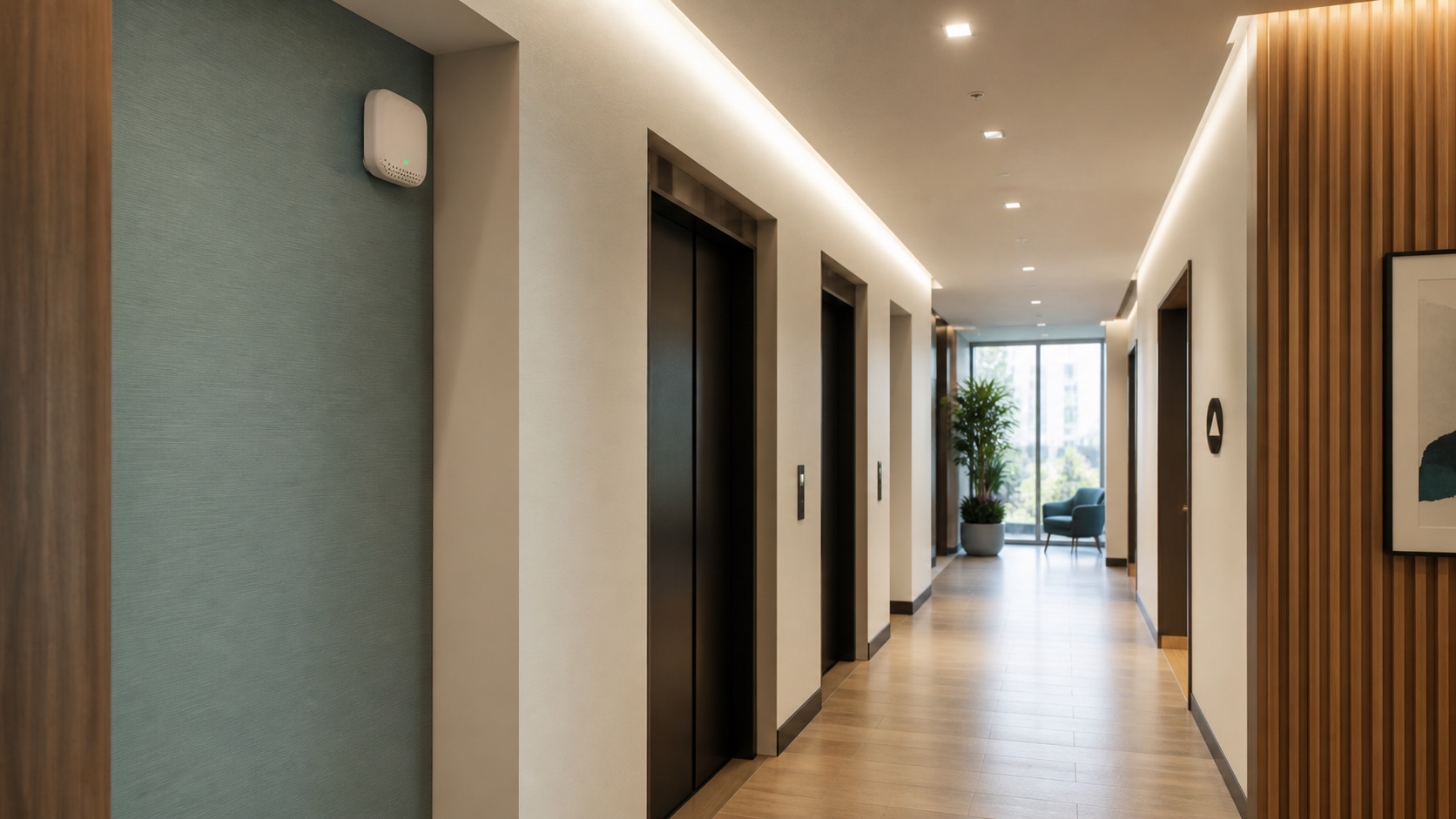
A purpose-built vape detector can watch for chemical traces, particle changes, or other shifts that may point to vaping. Some systems also report tampering, noise spikes, or unusual room use. Those signals matter because vaping often happens where cameras do not belong. Restrooms, changing rooms, hotel corridors, and staff-only areas need privacy by design.
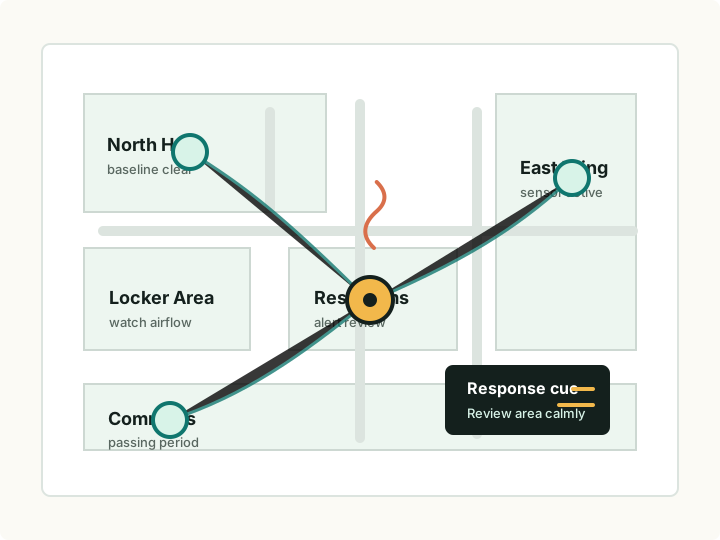
Placement deserves care. A sensor near an air vent may act differently from one near a doorway. A busy workplace, a hotel with guest turnover, and a school during class change each have their own airflow and use patterns. Treat installation as a short study of the building. Walk each site, speak with the people who run it, review past reports, and test the alert path before you judge the system.
Policy matters as much as placement. The CDC's guide to the health effects of vaping can help teams explain the health reasons behind their rules. Staff, guests, students, families, or tenants should know what the site monitors, where it monitors, and why. Clear words cut doubt and keep the program tied to health, comfort, and safety instead of surprise enforcement.
Collect only the data needed for a sound response. Air readings, sensor location, time, and device status will often give a team a useful start. Names, video, and audio bring much greater privacy concerns and should not slip into a vape detection plan without a clear need and review.
A set response keeps alerts useful. Decide who receives each alert, who checks the area, what they record, and when the event moves to a manager, security lead, hotel duty team, or student support team. Answer those points before the first sensor goes on the wall.
Patterns often matter more than one alert. Repeat events in a hotel corridor may point to a room or vent path. A workplace cluster after lunch may call for clearer rules or a change in access. A school pattern between classes may call for added support or a schedule change. The aim is to choose the smallest step that works.
Cleaning sprays, aerosols, high humidity, and building systems can cause false or unclear alerts. Treat each alert as a cue to check, not as proof on its own. A calm review protects the people in the space and the trust placed in the program.
Halcyon Signal offers practical help for teams that need to detect vapes without overreach. With sound sensor placement, clear policy, firm privacy limits, and steady response steps, workplaces, hotels, schools, and other facilities can spot problems sooner and keep shared air cleaner.